
What Is a Crimping Tool? Types, Uses & How It Works
15
Sep 2026
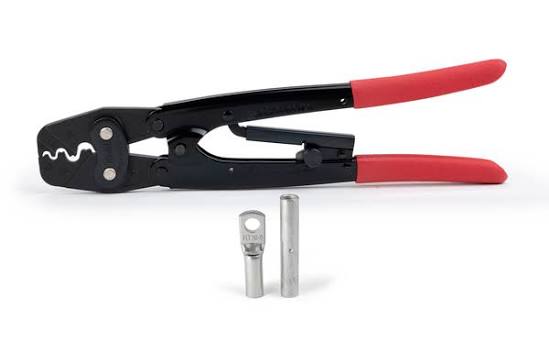
A crimping tool is a hand-operated or powered tool used to join a connector, terminal, sleeve, or fitting to another material by applying controlled pressure. Instead of soldering or threading a connection, the tool physically deforms the connector so it grips the wire, cable, pipe, or other component securely.
If you have searched what is a crimping tool, you may be surprised to learn that there are many different types. An RJ45 crimping tool is designed for network cables, while a PEX crimp tool is used for plumbing connections. Electricians may use a wire crimper, mechanics may need a specialized terminal tool, and larger applications can require a hydraulic crimping tool.
Understanding the differences helps you choose the right tool and avoid unreliable connections.
What Is a Crimping Tool?
A crimping tool creates a mechanical connection by pressing a connector or fitting around the material being joined. The pressure changes the shape of the connector, allowing it to grip the wire, cable, terminal, or pipe.
In simple terms, the basic crimping process is:
- Prepare the wire, cable, or pipe.
- Insert it into the correct connector or fitting.
- Position the connector in the tool's appropriate die.
- Squeeze or activate the tool.
- Inspect the finished connection.
The result is a crimped connection that should remain secure when the correct tool, connector, size, and technique are used.
How Does a Crimping Tool Work?
A crimping tool uses mechanical force to compress a connector around the material inside it. The jaws or dies determine the shape and amount of pressure applied.
For electrical applications, the tool may compress a metal terminal around a stripped section of wire. With plumbing, a specialized tool can compress a ring or fitting around PEX pipe.
The important factor is compatibility. A connector and tool must be designed for the same application and appropriate size. Using the wrong die can produce a connection that looks acceptable but does not hold properly.
Common Types of Crimping Tools
There is no single universal crimper. Different applications require different designs.
Wire Crimper
A wire crimper is used to attach terminals and connectors to electrical wires. Many models combine several functions, such as cutting wire, stripping insulation, and crimping terminals.
A wire crimper tool is particularly useful for electrical repairs, automotive wiring, electronics, and general cable work.
Ratcheting Crimper
A ratcheting crimper uses a ratchet mechanism that keeps the jaws engaged until the correct crimping cycle is completed. This can help provide more consistent results than a basic hand tool.
A ratchet crimping tool is commonly selected for repetitive electrical work where consistent pressure matters.
RJ45 Crimping Tool
An RJ45 crimping tool is designed for terminating Ethernet cables with compatible modular plugs. It positions the connector and presses its contacts into the cable conductors.
You may also see searches for RJ45 crimp tool or crimp tool for RJ45 when looking for networking equipment.
The connector, cable category, and tool should be compatible. Always follow the connector manufacturer's termination instructions.
PEX Crimp Tool
A PEX crimp tool is used in PEX plumbing systems to secure compatible fittings and crimp rings. It is different from an electrical crimper because it is designed around plumbing fittings rather than electrical terminals.
Other common terms include:
- PEX crimping tool
- PEX pipe crimping tool
- PEX plumbing crimp tool
- plumbing crimping tool
- PEX crimp tool Harbor Freight
The correct tool depends on the PEX system and fitting standard being used.
Hydraulic Crimping Tool
A hydraulic crimping tool uses hydraulic force to create high-pressure crimps. These tools are useful when manually squeezing a connector would require too much force.
A hydraulic crimper may be used for larger electrical terminals, heavy cables, and industrial applications.
You may also encounter the terms crimping hydraulic tool and crimping tools when comparing equipment for heavier-duty jobs.
Cable Crimper
A cable crimper is designed for terminating or joining cables using compatible connectors. Some models are specialized for electrical cables, while others are intended for wire rope or specific cable systems.
A cable crimping tool should always be matched to the connector and cable diameter.
What Can You Crimp?
Crimping is used across several industries, so the appropriate tool depends heavily on the material.
Electrical Wires and Terminals
Electrical crimping creates connections between wires and terminals without requiring solder. A crimp terminal is fitted onto the prepared wire and compressed using an appropriate tool.
A crimp terminal connector may be used in automotive, electrical, industrial, and electronics applications.
The basic process for crimping of wires involves:
- Selecting the correct terminal
- Stripping the correct amount of insulation
- Inserting the conductor
- Positioning the terminal correctly
- Applying the required crimp
- Checking the connection
Quality wire crimps should be mechanically secure and properly formed.
PEX Plumbing
PEX systems use specialized fittings and rings. A copper pipe crimping tool is not automatically interchangeable with every plumbing application, so users should confirm the fitting system before beginning work.
A copper crimping tool may refer to equipment used with copper components or copper crimp rings, depending on the specific plumbing system.
Wire Rope
A wire rope crimping tool is designed for ferrules and sleeves used with wire rope. These tools are different from small electrical crimpers because wire rope requires equipment appropriate for its diameter and fitting type.
Ducts and Gutters
Specialized sheet-metal tools are also available. A duct crimping tool helps shape ductwork so sections can fit together properly.
Similarly, an eavestrough crimping tool or gutter crimping tool is designed for specific gutter installation and adjustment tasks.
Crimping Pliers vs. Specialized Crimpers
Crimping pliers are convenient for basic tasks and are often compact enough to keep in a toolbox. A plier with crimper functionality may combine gripping, cutting, stripping, and crimping functions.
However, specialized equipment is generally preferable when the connection requires a specific crimp profile or controlled force.
For example, a basic crimp tool may be suitable for a small terminal, while a large cable may require hydraulic equipment.
Specialized and Brand-Specific Crimping Tools
Some products are designed around specific applications or tool systems.
For example, a Milwaukee crimper or Milwaukee crimping tool may be considered by professionals who already use that brand's equipment ecosystem.
Likewise, a Cash Acme PEX Crimp Ring Tool Kit 23100 is a specific type of PEX plumbing tool kit. An Apollo multi-head crimping tool kit offers another approach, with multiple heads intended for different compatible applications.
The best tool is not necessarily the one with the most features. Compatibility, correct sizing, durability, and ease of use are more important.
How to Choose the Right Crimp Tool
Before buying a crimper, answer four questions.
1. What Are You Crimping?
Identify whether you are working with:
- Electrical wire
- Network cable
- PEX pipe
- Battery cables
- Wire rope
- Ductwork
- Gutter material
A battery cable crimping tool, for example, is designed for substantially different work than an RJ45 tool.
2. What Connector Are You Using?
The connector determines the required crimp profile. Check its specifications before choosing a tool.
For example, crimp wire connectors need to match the wire size and connector design.
3. How Much Force Is Required?
Small connections can often be handled with manual tools. Larger cables and heavy-duty terminals may require a ratcheting or hydraulic design.
4. How Frequently Will You Use It?
For occasional household work, a basic tool may be sufficient. Professionals performing repeated connections may benefit from a durable ratcheting or powered tool.
What Is a Ferrule Crimping Tool?
A ferrule crimping tool is designed to compress ferrules around stranded wire. Ferrules can help organize wire strands and provide a suitable termination for compatible screw-clamp terminals.
The tool should be selected according to the ferrule sizes being used. A standard wire crimper is not necessarily the best choice for every ferrule application.
What About Hair Crimpers?
Not every search containing "crimper" relates to hardware.
A crimper hair tool, crimper tool hair, or hair crimper tool is a beauty device that creates a textured or wavy pattern in hair using heated plates. It has nothing to do with electrical or plumbing crimping.
This distinction is useful because the word "crimper" can refer to several completely different products.
Common Crimping Mistakes
Poor crimping usually comes from using the wrong connector, tool, size, or technique.
Avoid these mistakes:
- Using an incompatible crimper
- Selecting the wrong die
- Stripping too much insulation
- Leaving too little conductor inside the terminal
- Reusing damaged connectors
- Applying excessive force
- Failing to inspect the finished connection
- Using a tool outside its intended application
Do not assume that a connection is good simply because the connector looks compressed. The finished crimp should meet the requirements of the connector and application.
How to Make a Proper Crimp
A reliable basic process looks like this:
Step 1: Choose compatible components.
Confirm the wire, connector, terminal, and tool are designed to work together.
Step 2: Prepare the material.
Strip wire insulation carefully or prepare the pipe according to the applicable instructions.
Step 3: Position the connector.
Place the connector in the correct section of the tool.
Step 4: Apply pressure.
Complete the crimp according to the tool manufacturer's instructions.
Step 5: Inspect the result.
Look for proper positioning, deformation, and mechanical security.
For electrical or plumbing work where a faulty connection could create a safety problem, follow the applicable code and manufacturer's installation instructions.
Final Thoughts
A crimping tool is a practical piece of equipment for creating mechanical connections between compatible wires, terminals, cables, pipes, and fittings. The basic principle is simple: controlled pressure permanently deforms a connector so it grips the material securely.
The right tool depends on the application. A wire crimper works well for many electrical terminals, an RJ45 tool is intended for network cable termination, a PEX crimping tool is designed for compatible plumbing fittings, and hydraulic equipment handles larger, higher-force applications.
Before purchasing any crimping tool, identify the material, connector, size, and required crimp profile. Choosing the correct combination is far more important than simply buying the largest or most expensive tool.

Comments
No comments yet.