
What Is a Magnifying Glass Used For? 10 Common Uses
31
Aug 2026
A magnifying glass is a simple optical tool that makes small objects, text, and details appear larger and easier to see. From reading fine print and examining jewelry to inspecting electronics, maps, stamps, plants, and artwork, magnifiers remain useful in homes, schools, workshops, and professional settings.
But not every magnifier is designed for the same task. Lens size, magnification strength, handle design, lighting, portability, and optical quality can all affect the experience.
So, what is a magnifying glass used for? In simple terms, it uses a curved lens to enlarge the apparent size of an object so details that are difficult to see with the naked eye become easier to inspect. This guide explains how magnifying glasses work, their most common uses, different types, and what to consider before buying one.
What Is a Magnifying Glass and How Does It Work?
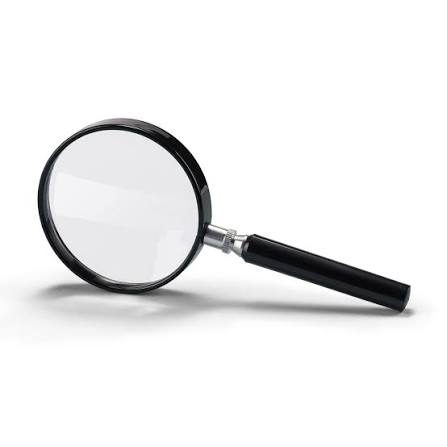
A magnifying glass is typically a convex lens mounted in a frame with a handle or stand. The curved lens bends light and creates a magnified virtual image when the object is viewed within the lens's focal range.
The amount of enlargement depends on the lens and its optical design. Higher magnification can reveal smaller details, but it usually comes with a narrower viewing area and shorter working distance.
A basic magnifier is useful for everyday tasks, while specialized magnifying tools may include multiple lenses, built-in LEDs, flexible stands, or hands-free mounts.
What Is a Magnifying Glass Used For?
A magnifier can be useful anywhere small details need closer inspection.
Common applications include:
- Reading small print
- Examining jewelry and gemstones
- Inspecting coins and stamps
- Studying insects and plants
- Working on small crafts
- Examining circuit boards
- Inspecting watches
- Reading maps
- Viewing artwork and antiques
- Helping with detailed hobbies
A magnifying glass magnifying small objects can be particularly helpful for hobbyists who need a closer view without using a microscope.
For reading, a large lens can provide a wider field of view. For jewelry or precision work, a smaller high-power lens may be more practical.
Main Types of Magnifying Glasses
Different designs are suited to different activities.
Handheld Magnifying Glasses
The traditional handheld model is lightweight and easy to move around. It is suitable for reading, hobbies, crafts, and occasional inspection.
Illuminated Magnifiers
These combine magnification with built-in lighting. The additional illumination can make small text and details easier to distinguish in low-light environments.
Stand Magnifiers
A stand keeps the lens in a fixed position, allowing both hands to remain free. These can be useful for sewing, electronics, model making, and other detailed work.
Magnifying Glasses for Reading
Some products are designed specifically for reading newspapers, books, labels, and packaging. They are different from conventional prescription eyewear because the magnifier enlarges the viewed material rather than correcting the eye's focusing needs.
People comparing magnifiers with reading glasses for women or other reading eyewear should understand that these products serve different purposes.
Wearable and Specialty Magnifiers
Some specialized optical tools can be mounted on the head or combined with other equipment. These are useful when precision and hands-free viewing are important.
Magnifying Glass vs. Prescription Glasses
A magnifying glass and prescription glasses are not interchangeable.
Prescription glasses are designed to correct specific refractive errors. A magnifying lens enlarges the apparent image of an object.
For example, someone may use anti glare glasses to reduce reflections while reading and then use a magnifier to inspect exceptionally small print.
Fashion eyewear is another separate category. Searches for products such as glasses frame Miu Miu, Swarovski glasses, Bayonetta glasses, or the Wren unisex sunglass with glass lens refer to eyewear rather than magnifying tools.
Similarly, prism glasses are specialized optical eyewear and should not be confused with ordinary magnifying lenses.
How to Choose the Right Magnifying Glass
Choosing the right model depends primarily on what you need to inspect.
Consider Magnification
More magnification is not automatically better.
High-powered lenses can make very small details easier to see, but they may have:
- A smaller viewing area
- A shorter working distance
- More sensitivity to movement
- Greater difficulty keeping the image centered
For general reading and household tasks, moderate magnification may be more comfortable.
Consider Lens Diameter
A larger lens lets you see more of a page or object at once.
A smaller lens may be preferable for precision tasks where you need to focus on a specific detail.
Look for Good Optical Quality
A good lens should provide a reasonably clear image across its useful viewing area.
Poor-quality lenses can introduce distortion, which becomes particularly noticeable around the edges.
Decide Whether You Need Lighting
If you frequently work in dim environments, an illuminated model can be convenient. LED lighting is particularly useful for reading labels, examining small components, or working on detailed crafts.
Magnifying Glasses for Hobbies and Crafts
Magnifiers are popular among people who work with small objects.
Jewelry and Watches
Jewelry makers and collectors may use magnification to inspect stones, settings, scratches, and tiny markings.
Stained Glass
People learning through stained glass classes near me may find magnification useful for inspecting small cuts, decorative details, or soldering work.
A magnifier can also complement hobbies involving a stained glass lamp, especially when examining fine decorative elements.
Collecting
Collectors can use magnification to inspect:
- Coins
- Stamps
- Artwork
- Vintage objects
- Printed materials
- Small markings
A magnifier can reveal details that may otherwise be difficult to distinguish.
Magnifying Glasses and Glass-Related Home Projects
The word "glass" appears in many unrelated searches, so it is useful to distinguish optical magnifying glass from household glass.
For example, someone searching how to clean shower glass is looking for a cleaning method, not an optical tool. Similarly, how to remove stickers from glass and how to remove adhesive from glass involve cleaning surfaces.
For household maintenance, you may encounter searches for:
- Glass door repair
- Glass door repair near me
- Glass door replacement
- Auto glass near me
- Glass shop near me
- Glass garage doors
- Dog door for sliding glass door
These are building and automotive glass services rather than magnification products.
A magnifying glass can still be useful during detailed inspection—for example, checking a small crack or surface imperfection—but repairs should be handled with appropriate tools and professional expertise where safety is involved.
Understanding Different Types of Decorative and Drinking Glass
Not every search containing "glass" relates to optical magnification.
For example, champagne glasses, cocktail glasses, margarita glasses, highball glass, and a shot glass are types of drinkware.
A wine glass is designed specifically for serving and drinking wine. If you're planning a gathering, you might also wonder how many glasses of wine in a bottle are typically served. The answer depends on the bottle size and pour size, so there is no single universal number.
Similarly, champagne glasses with champagne describe drinkware and its contents, while glass pitcher refers to a container.
These distinctions matter because the word "glass" can refer to optical lenses, eyewear, windows, containers, or decorative materials.
Other Glass Products and Materials
Glass is used across architecture, design, manufacturing, and everyday products.
Examples include:
- Glass baby bottles
- Glass nursing bottle
- Toughened glass
- Decorative glass
- Stained glass
- Lacquered glass
- Glass windows and doors
For example, beige lacquered glass texture and brown lacquered glass texture may be used when discussing interior finishes.
Stained glass window film is another decorative option that can change the appearance of ordinary windows without creating traditional stained glass.
Collectors may also search for beach glass sea glass or simply sea glass. These are pieces of weathered glass found along shorelines, typically recognized by their frosted and worn appearance.
The phrase sea glass sea glass is sometimes used as a repeated search term, but it still refers to the same general material.
Unusual Magnifying Glass Searches
Some magnification-related searches are connected to specialized products or novelty designs.
For example, a deerstalker pipe magnifying glass may combine a decorative or themed appearance with an optical magnifier.
Other product searches may have little connection to conventional magnification. Azalea Wang- Bonnie glass heels size 8, for example, refers to footwear, while campaign glass and carnival glass carnival glass can refer to decorative or collectible glassware.
Likewise, supper glass horn box hammer SK11 appears to combine several product-related terms rather than describing a standard type of magnifying glass.
Understanding the intended use is therefore essential when searching for a product.
How to Care for a Magnifying Glass
Proper care helps preserve optical clarity.
Follow these basic steps:
- Hold the lens by its frame whenever possible.
- Keep it inside a protective case when not in use.
- Remove dust before wiping.
- Use a clean microfiber cloth.
- Avoid abrasive materials.
- Follow the manufacturer's cleaning instructions.
Do not automatically use household cleaners such as Sprayway glass cleaner on an optical lens. Some products intended for windows or household surfaces may not be appropriate for coated optical lenses.
If you're cleaning ordinary household glass, the correct process may be completely different.
Can a Magnifying Glass Fix or Replace Glasses?
No. A magnifying glass cannot replace prescription eyewear.
If your eyeglasses are damaged or loose, searches such as how to fix loose glasses, glasses repair near me, or same day glasses near me relate to eyewear repair and replacement.
For scratched lenses, people may search how to remove scratches from glasses. However, attempting to polish or chemically treat prescription lenses can damage coatings or worsen the surface. Professional optical advice is often safer than experimenting with household remedies.
Magnifying Glass Safety
Most ordinary magnifying glasses are safe when used properly, but concentrated sunlight through a convex lens can create a significant heat source.
Never leave a magnifying glass positioned where it can focus sunlight onto curtains, paper, furniture, dry vegetation, or other flammable materials.
Children should also use magnifiers appropriately and under supervision when necessary.
How to Get Better Results With a Magnifying Glass
For comfortable viewing, follow these simple steps:
- Place the object under good lighting.
- Hold the lens at a comfortable distance.
- Move the magnifier rather than constantly moving the object.
- Adjust the distance until the image becomes sharp.
- Use a stand for tasks requiring both hands.
- Choose a larger lens when viewing larger areas.
- Use higher magnification only when necessary.
For precision work, stability often matters as much as magnification power.
Magnifying Glasses in SEO and Online Search
From an SEO perspective, the keyword magnifying glass can have mixed search intent. Some people want to buy an optical magnifier, while others may be looking for magnifying tools, reading aids, hobby equipment, or information about lenses.
That makes search-intent analysis important when building content around broad keywords.
A useful SEO strategy should separate informational searches from product and local-service searches. The same principle applies to broader SEO strategies for improving search visibility and generating leads.
For businesses selling magnifiers or related products, paid campaigns can complement organic visibility through paid advertising services. Businesses with physical retail locations may also benefit from local SEO services.
Email can then support repeat communication with customers through email marketing services.
Final Thoughts
A magnifying glass remains a practical optical tool for reading, inspection, crafts, collecting, repairs, and detailed hobbies. The best choice depends on your intended task, required magnification, lens size, optical quality, lighting, and whether you need hands-free use.
Remember that "glass" has many meanings online. Searches involving eyewear, drinking glasses, windows, decorative materials, automotive glass, and sea glass can represent completely different needs.
If your goal is magnification, focus on optical quality and usability rather than simply choosing the highest-powered lens. A well-designed magnifier that matches the task will usually provide a more comfortable and useful viewing experience.

Comments
No comments yet.